Secondary Menu

Tag Archives | facebook

Facebook is for older people

I love me phrase handwritten on the school blackboardThere is little doubt that social networking includes an element of narcissism. All around the social web you can find people who appear only to be interested in talking about themselves and promoting their activities. Partly, this does make them likeable because they demonstrate their interests so openly that we can understand them better. In return, they like us because we like them and boost their ego. In reality, there is an element of narcissism in all of us.

Online, however, it turns out that age and narcissistic tendencies are related to the social network of choice. According to new research from the University of Michigan, our age and narcissism affects our choice of social network. Younger people tend to prefer Twitter for narcissistic displays, whereas people described as “middle aged” tend to prefer Facebook to write about themselves.

This goes against the assumption that Facebook is a young person’s world. Part of the reason is probably due to the fact that Facebook is more about relationships, rather than overt displays of “look at me”. Twitter, however, makes it easier to simply provide a “look at me” kind of activity. Younger people are much more in the “look at me” stage of life because they are trying to attract new relationships; once they have an established relationship they need less of the narcissistic type displays and probably head over to Facebook to deepen and extend those relationships. However, once they are there and need to be in “look at me” mode, they probably only want their friends to notice such displays. It’s an age thing…!

This research shows, however, that we should not assume we really know anything about the way people use the Internet. We need to dig deeper and try to consider how a variety of human behaviours contribute to our online choices. It means that if you are in business you are likely to do less well if you start assuming things about the online world.

Categories: Internet Psychology, Social

Forget Googling yourself, check your Facebook profile

Facebook and Google Page HeadingsHow many times have you Googled yourself this month already? Many people Google themselves regularly to see how they are doing in the search engine rankings. For some people, with a rare name, they are in luck and they are top of the results. For others, with a more common name, they could well be out of luck if their namesake is better at the search engine game.

Last week I met a chap who has a rare combination of first name and last name from two different languages – when he Googles himself he has the entire first 10 pages of results. But if you have a more common name, like Graham Jones for instance, you have to work hard to do well in the search engines because there are plenty of people with that name. (I am the real one, of course…!)

For some people, looking at the Google results for their name can be depressing because other people dominate and no matter what they do, they just can’t seem to beat them. Indeed, for many businesses that is an all-too-common feature of their daily life online. Regardless of what they do, their competitors beat them in the search engines.

Self-Googling can be upsetting, annoying and stress-inducing. For many people, all it confirms is the fact that someone else is “doing better”.

So what is the answer? Thankfully new research has just been published that tells us what to do. Go to Facebook.

It turns out that just checking your own profile on Facebook can significantly increase your self-esteem. But there’s a catch….

If you look at your own Facebook profile and feel good as a  result you are likely to under-perform in subsequent tasks. One of the elements of what we do each day is the boost it provides to self-esteem. We try, subconsciously, to do our best in our daily work because it makes us feel good about ourselves. But if you have just had a boost to your self-esteem, you tend not to try so well in any subsequent tasks – you don’t need to because your self-esteem is already running high.

So, what should you do? Only check Facebook when you don’t have to do anything important AFTERWARDS. Otherwise you will not do it so well.

Categories: Internet Psychology

Facebook marketing depends on your offline presence

Facebook Pause for a moment and think where did you first discover Facebook. Did you click on a link or perhaps a pay-per-click advert for it? Did you search for “social network” and find that Facebook had used SEO to get to the top of the search results? Or did you just somehow “know” about it?

Most online businesses use a combination of link building, search engines and pay-per-click to attract people to their website. But that’s not how the world’s most popular sites do it. Indeed, consider Google or Amazon too. Did you know about them somehow in advance, or did they materialise some way online and you clicked on a link and went “wow, that’s interesting, I have never heard of them before”.

Face facts. The most popular and most profitable online businesses have achieved their notoriety offline. They are omnipresent in traditional media, they are talked about down the pub and they are mentioned in business meetings up and down the land every single day. Their success is based on word of mouth and offline branding.

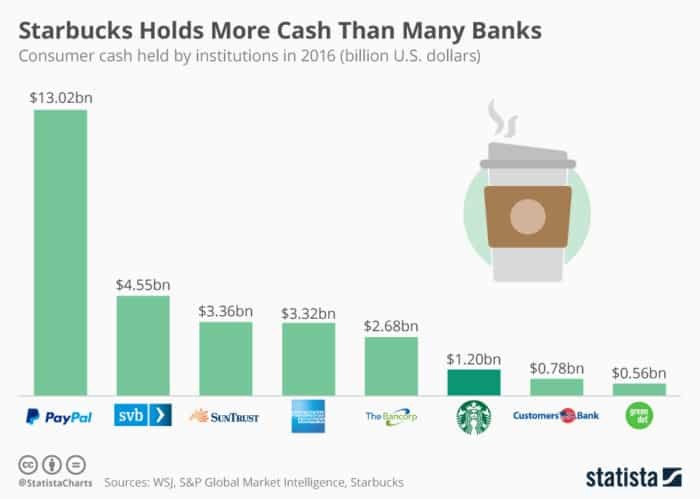
This is confirmed in recent research which shows that the only people doing well out of Facebook marketing are big, well-established businesses. Starbucks, Dell, McDonalds, Coca-Cola – they are all doing very well on Facebook. But you knew about them before they had a Facebook page. Less well-known firms are struggling to attract people on Facebook. Indeed, the study shows that the vast majority of businesses – 63% – don’t appear to be getting anything out of what they put in to their Facebook activity.

People go to Facebook to engage with brands they already know in the “real world”. If you want to use Facebook in your business the first step is to get known in the real world.

To make the most out of this social network you need offline branding and recognition. Hang on a minute, that’s just what Facebook did to achieve its success. Copying their model works – it has worked for Google and Amazon too, remember. Making the most out of Facebook marketing means spending more of your activity offline, not online.

Categories: Social