
People do not trust e-signatures
E-signatures are seen as less trustworthy than real signatures. Esignatures provoke negative responses.
Internet Psychologist
E-signatures are seen as less trustworthy than real signatures. Esignatures provoke negative responses.

Smartphone use appears to stimulate our brains as a direct result of increased thumb use

Tablet devices and ereaders could cause you sleep issues. Nothing new – mobile phones are the same. It’s all to do with your pineal gland.

Psychological research shows that if you save something you will enhance your ability to remember things.

Using the Internet at all times of the day and night could potentially dramatically reduce your cognitive abilities.
A survey of people’s fears shows that concerns about the Internet are significant. What does that mean for your business?

If your business offers lots of choice you make it harder for customers to make a purchase and they will be more unhappy with what they buy.

Research shows that even though online communication is greatly appreciated, people still prefer face-to-face

People decided whether or not your website or online business is trustworthy before they are consciously aware of what is on the page.

People love something so much it is an emergency if it goes wrong. Do people love your business enough to call the police when it is not available?

Free offers can have low value in the mind of consumers. Here’s how to make them thing your free offer is quite valuable.
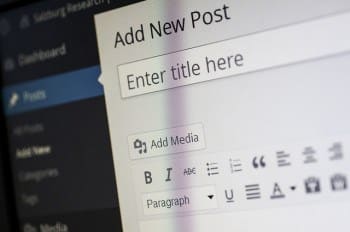
People give all sorts of reasons why they cannot blog. Here are the top five psychologically derived excuses.
Storytelling on websites is the way to really engage and capture your visitor. Indeed, when you tell a story they experience it and feel it.

Words that focus the brain on taste appear to engage people more making them more connected to your web content.

Luis Suárez may be a regular biter, but it is the same psychology as many people who use the Internet – an issue with impulse control